The Polymathic Engineer
Above a few dozen dimensions, your k-d tree loses to brute force
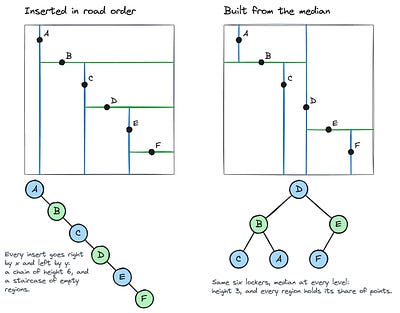
Few coordinates, static points, built from the median.
12 min read

Newsletter by Franco Fernando
A newsletter about Algorithms, Computer Vision, and Distributed Systems
13 posts in the last 90 days · newest 20 Nov
20 of 20 posts on this page
The Polymathic Engineer
Few coordinates, static points, built from the median.
The Polymathic Engineer
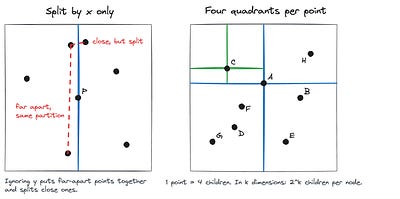
The closest point is not always in the closest box.
The Polymathic Engineer
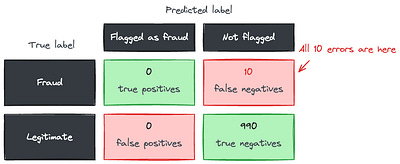
Right 990 times out of 1,000. The 10 it gets wrong are the only ones that cost money.
The Polymathic Engineer
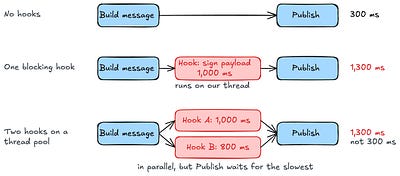
To your clients, to a thread pool, or into your latency.
The Polymathic Engineer
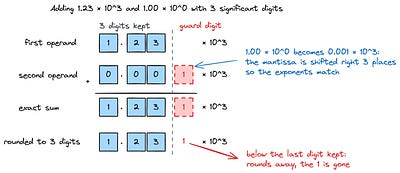
Floating-point errors are harmless one at a time. A chain of them isn't.
The Polymathic Engineer
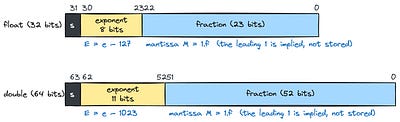
0.2 has no end in binary, so the machine stores its closest neighbor.
The Polymathic Engineer
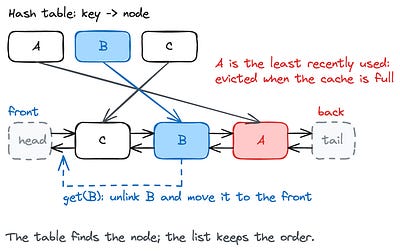
A hash table finds the entry. A linked list keeps the order.
The Polymathic Engineer
The Polymathic Engineer
The Polymathic Engineer
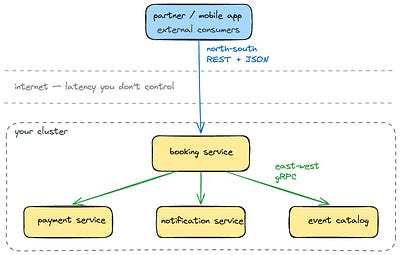
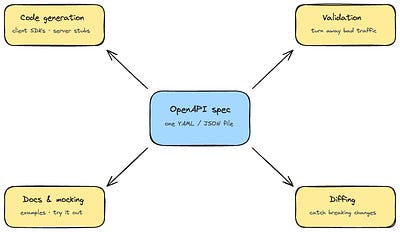
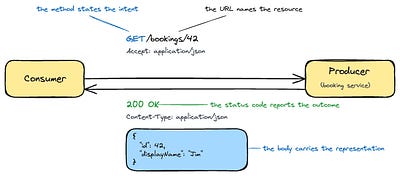
Coupling, not naming. First article on API design.
The Polymathic Engineer
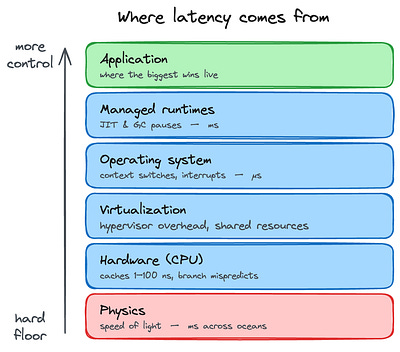
Where delays hide in the stack, how they add up, and how to measure them.
The Polymathic Engineer
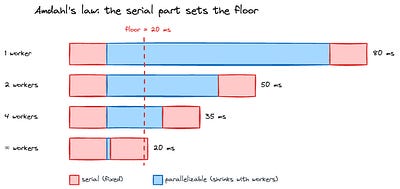
What latency really is. The physics and math that bound it, and why the average always lies.
The Polymathic Engineer
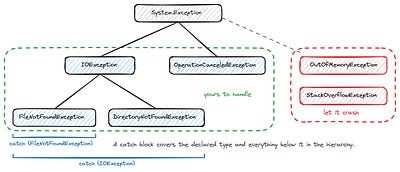
Patterns and anti-patterns for signaling, catching, and surviving failures in your code.
The Polymathic Engineer
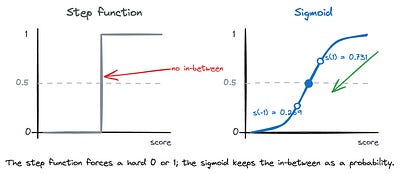
How a classification model learns to predict probabilities instead of flat yes/no answers.
The Polymathic Engineer
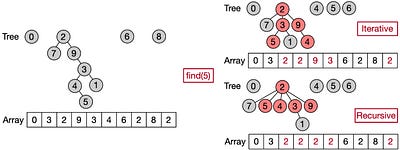
Tracking which items belong to the same group looks trivial, until your inputs get big.
The Polymathic Engineer
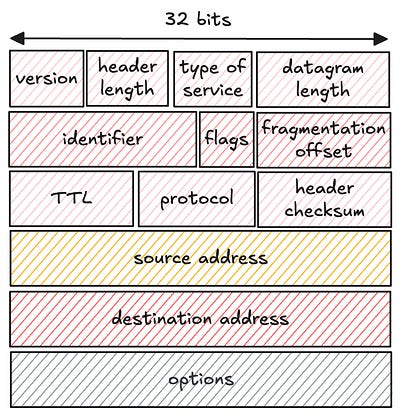
What actually travels on the wire: the IPv4 header, fragmentation, and what IPv6 changed.
The Polymathic Engineer
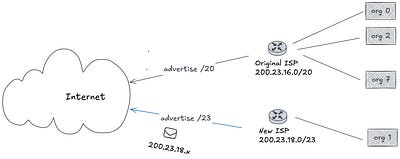
How classful addressing gave way to CIDR, and how private addresses and NAT kept the world from running out of IPv4.
The Polymathic Engineer
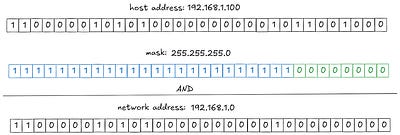
How an IPv4 address is built, what a subnet mask does, and how a device determines the network it belongs to.
The Polymathic Engineer
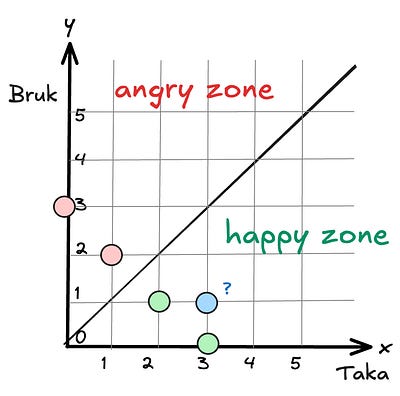
How the simplest classification model works, and why it is the building block of every neural network.
The Polymathic Engineer
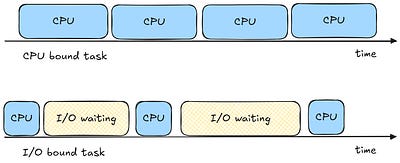
Multitasking, context switching, and the scheduler that makes it all work.