Probing DNS at Cloudflare
At Cloudflare we’ve built tools to enable teams to extend our internal testing framework and build test tooling for networking protocols. This is the story of how this was used for DNS.
8 min read

Engineering teams writing about what they built and broke.
Updated
80 of 80 posts on this page
At Cloudflare we’ve built tools to enable teams to extend our internal testing framework and build test tooling for networking protocols. This is the story of how this was used for DNS.
Back in 2017 I did some research into Oracle VirtualBox on Windows. Specifically I focussed on their mechanism to protect their VM processes from the user on the host. The protection was to gate who could open the kernel driver, which might allow for privilege escalation due to…
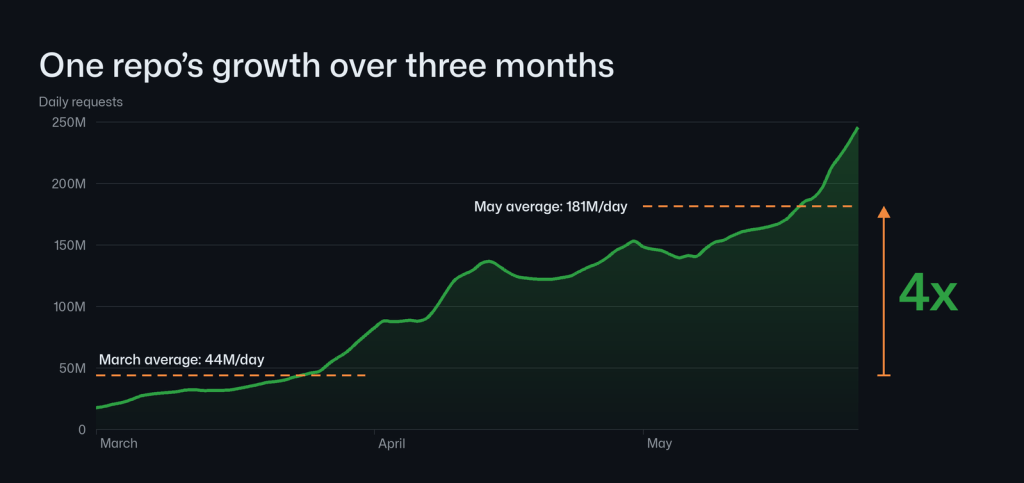
The agents, man. They’re everywhere. At least 55% of deployments to Fly.io are now performed by agents. Bots passed humans in web traffic for the first time this year, mostly driven by the surge in agent use. Just a year ago, Cursor had 2.5x as many autocomplete users as they…

Application-level sharding feels like the right solution. But it isn't your core business, and it causes more headaches than you think.
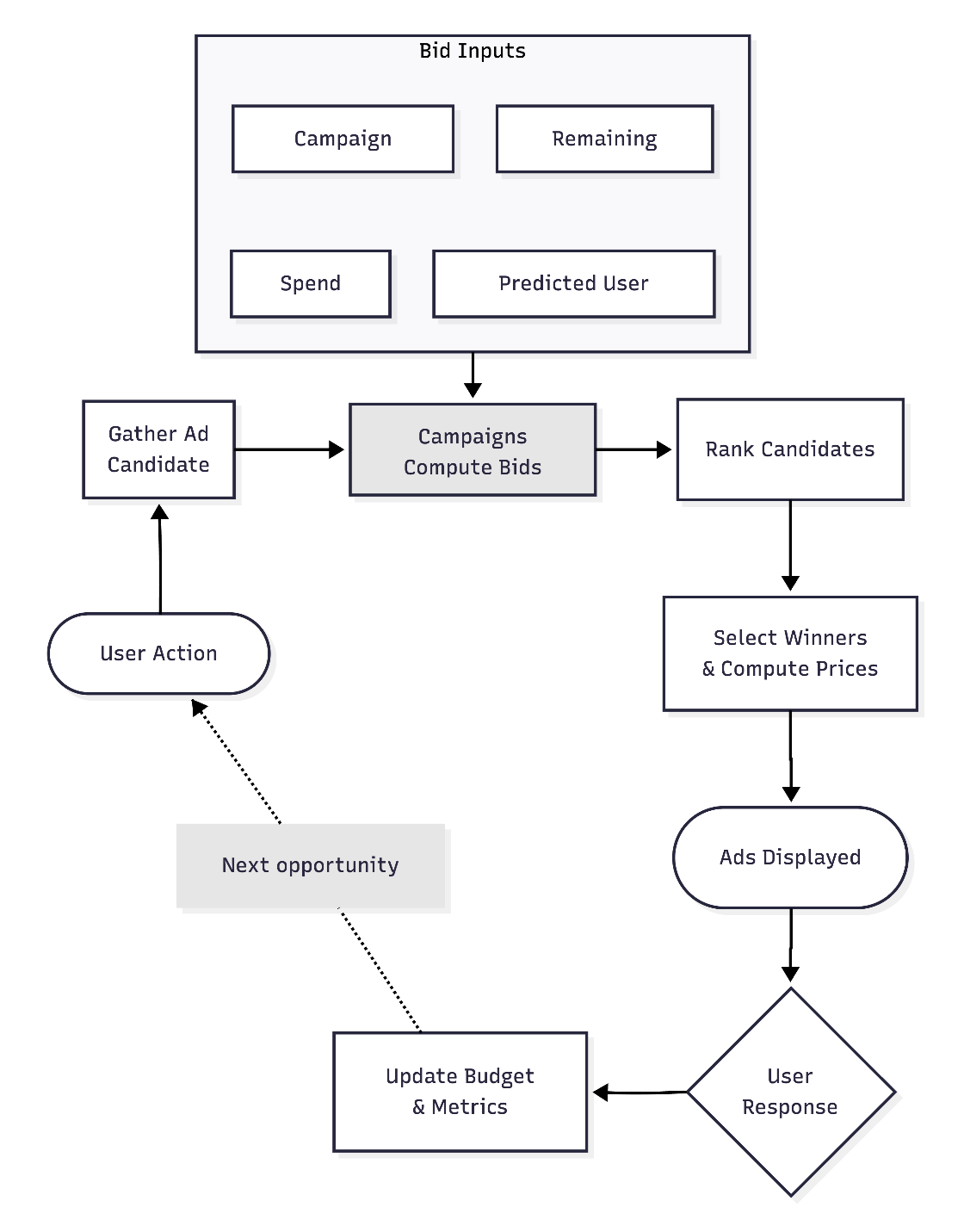
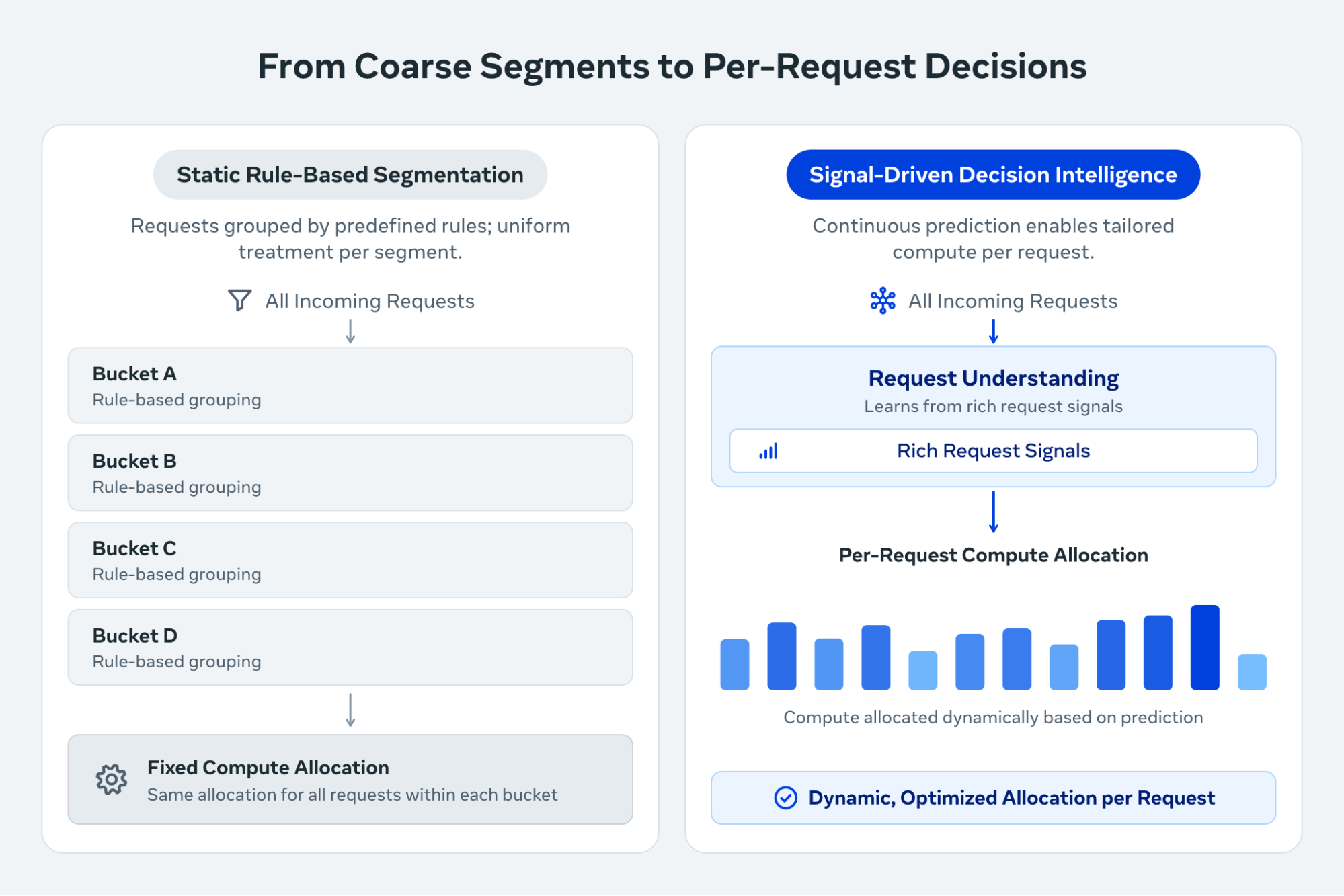
Introduction Ads delivery at Grab is increasingly an artificial intelligence (AI) decisioning problem. Every ad opportunity requires the system to infer user intent, predict engagement, balance advertiser returns, platform revenue, and user engagement, respect campaign budgets…
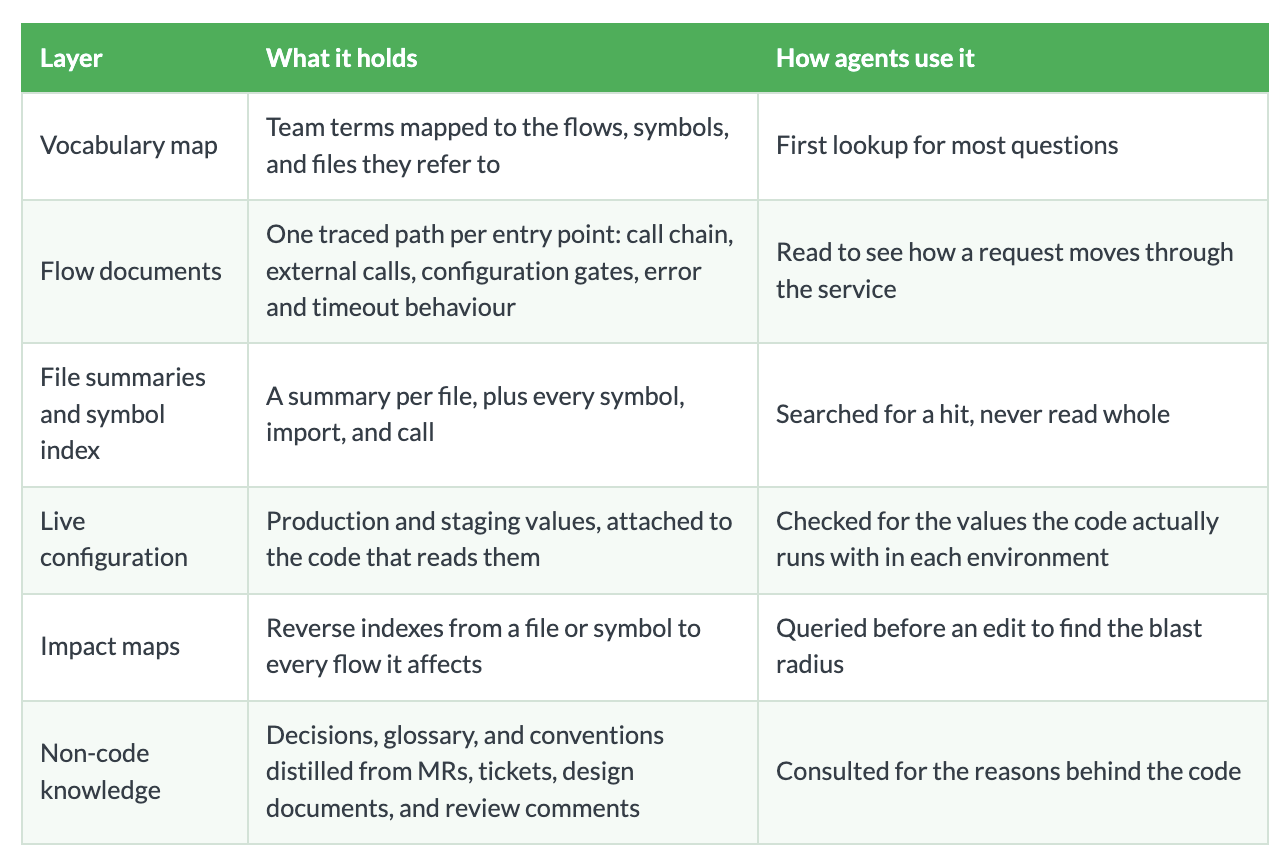
Introduction Every session, you get a new teammate: a coding agent. It reads code faster than you and has seen more of it than your whole team put together. What it does not have is any memory of how your service got this way. It can see what the code does. It cannot see why a…
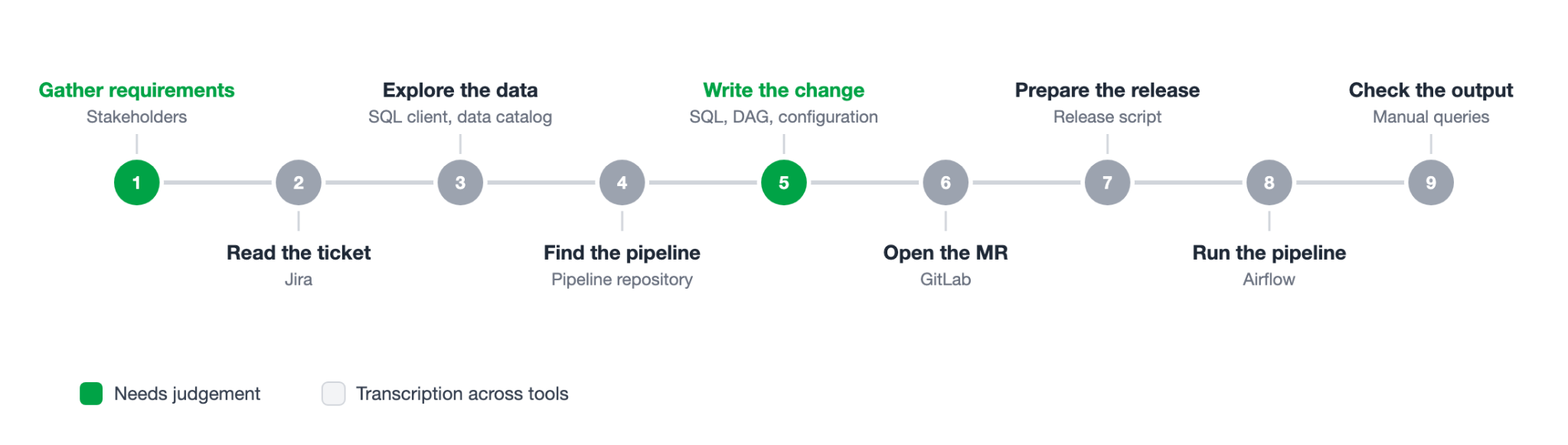
Introduction In the blog From firefighting to building, we described the agents our Analytics Data Warehouse (ADW) team built to take routine work off data engineers. Scarlet was the Enhancement Agent in that post. It read a ticket, wrote the change, and opened a merge request…
ruby2shell lets attackers corrupt memory in default Rails and Sinatra apps without logging in. Cloudflare WAF blocks it for every customer, including Free plans. Upgrade Ruby now, and use the WAF to cover the gap.

phpAfterShell is a critical flaw in PHP's default session handler that can lead to code execution. Cloudflare WAF blocks it for all customers, including Free plans, and adds new rules for other PHP flaws fixed in the same release.

Five memory corruption bugs in nginx, called nginx2root, can let an unauthenticated attacker run code on a server. Here’s how they work, and why origins behind Cloudflare's proxy are shielded from the most serious of these bugs.

It’s a hard time to be in infosec. Not that it was ever easy, mind you, but nowadays it seems particularly bad, what with the speed at which LLM-powered attackers can explore, iterate, and exploit their victims. The balance of power has tipped in favor of attackers, and while…

On November 3, 2026 U.S. voters headed to the polls. Here’s what Cloudflare data across more than 1,400 protected sites tells us about Election Day Internet traffic and cyberattacks.

TL;DR Teams building AI features want to skip slow A/B tests and decide from offline evals alone. This post...
Three fixes Insights Agent made to our own Rails API: a reordered feature flag check, an index that made a query slower, and an index that took a query from seconds to milliseconds.

OpenTelemetry conventions evolve, but queries still need to work across old, current, and Datadog-native telemetry. Learn how Datadog uses a knowledge graph and query-time translation to resolve conditional semantic equivalences and validate them against real data.
How we scale our security with attack surface maps, focused AI reviews, and checks that improve with every vulnerability fixed.
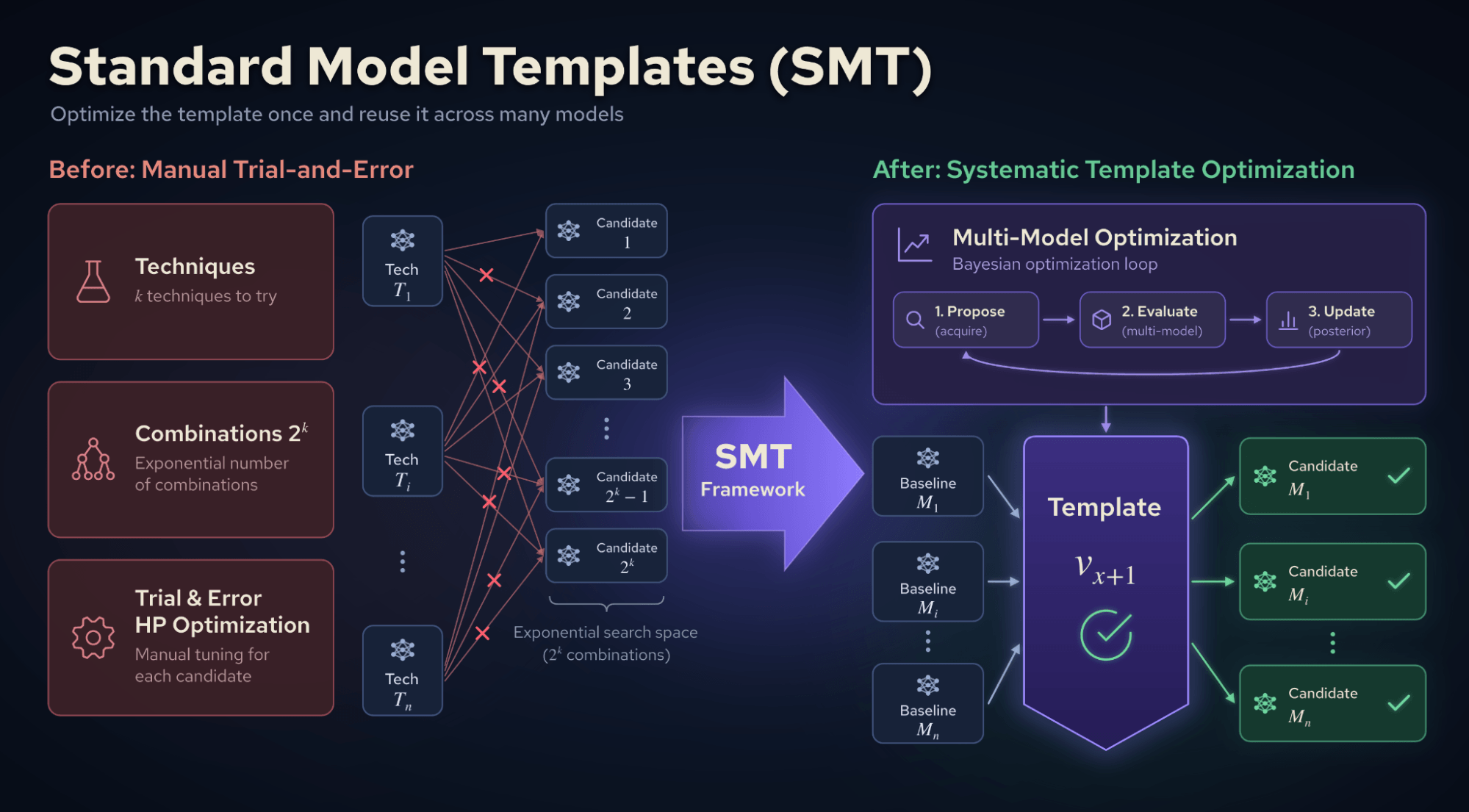
Our previous post in this series introduced the Ranking Engineer Agent (REA), an autonomous system that generates hypotheses, designs experiments, and proves new machine learning (ML) techniques on ads ranking models. Now, we’re sharing how we propagate ranking model…
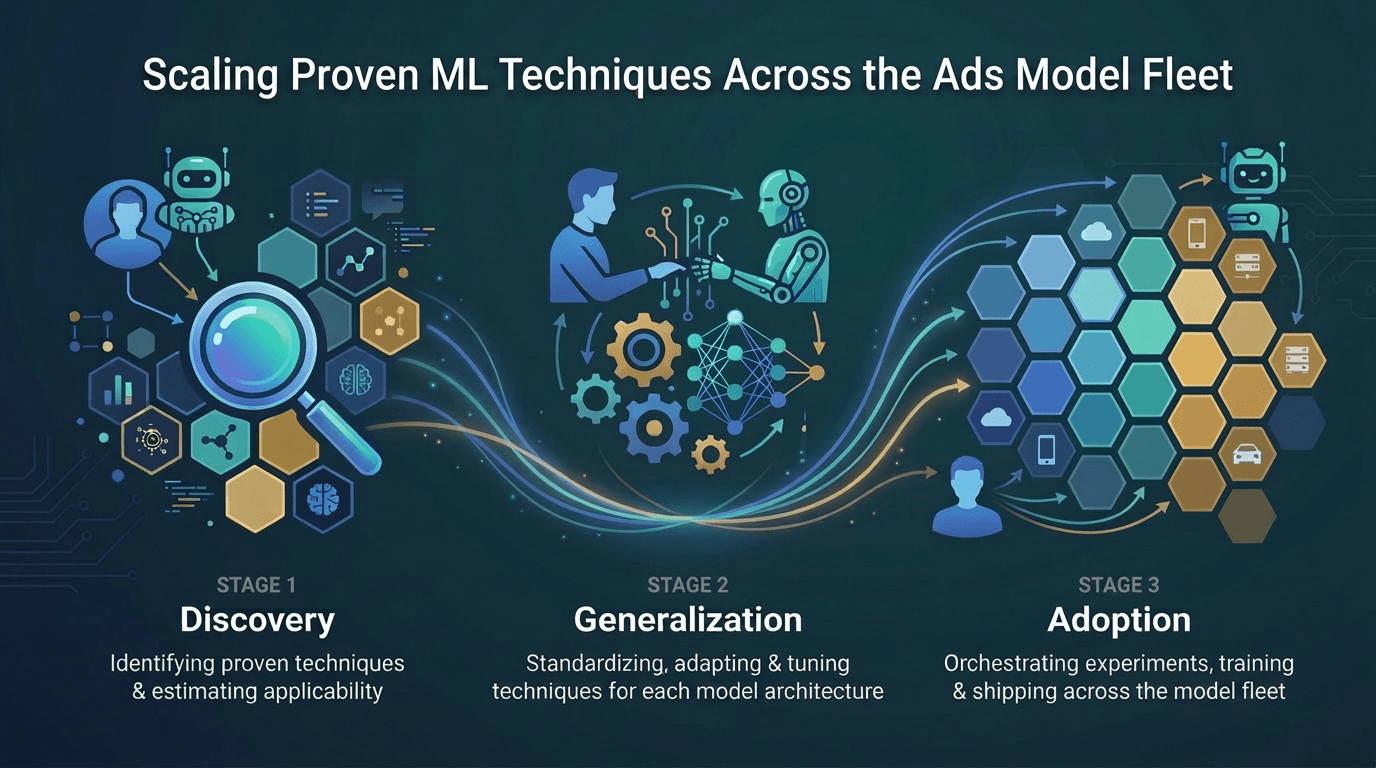
As ML ecosystems grow to a large number of production models, the bottleneck is no longer inventing new techniques to improve these models, but rather shipping them reliably and efficiently across a fragmented model space, creating a rising tide that lifts all the boats. At…
PlanetScale is #24 on the 2026 Deloitte Technology Fast 500, a ranking of the fastest-growing technology companies in North America.
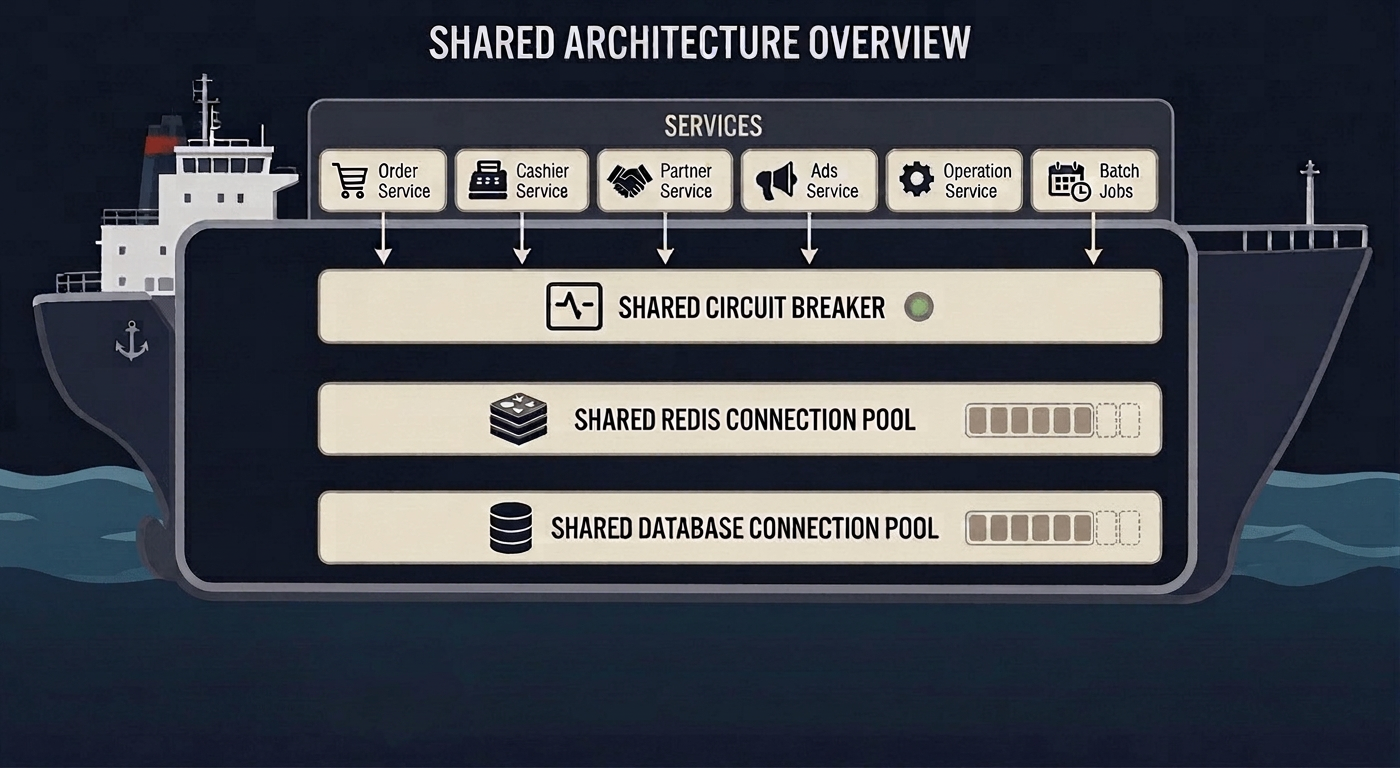
Introduction When a cache becomes unreliable, a shared read service can struggle in ways that spread to the systems that depend on it. We saw this pattern in our merchant data service (MDS). Cache reads began timing out, fallback requests increased database pressure, and…
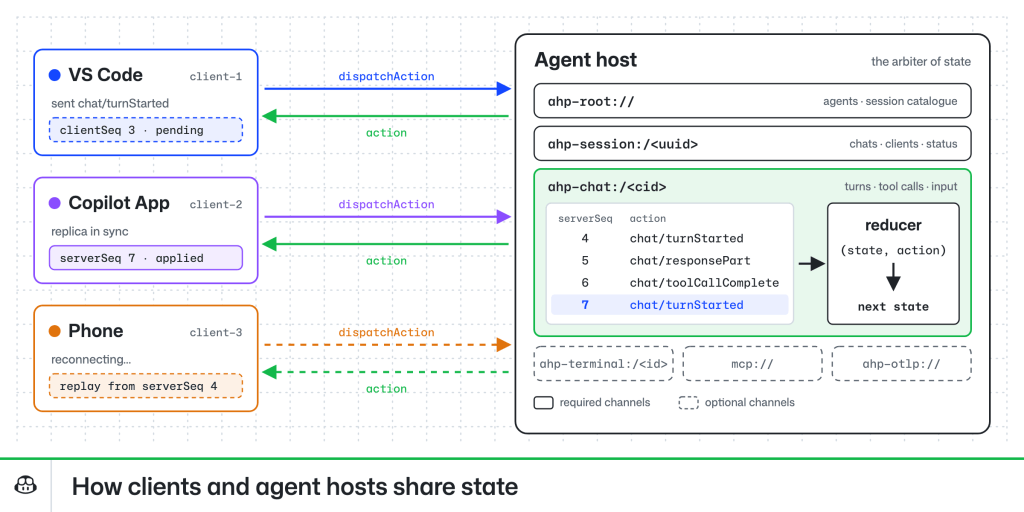
Discover how we built the open Agent Host Protocol to keep your agent sessions accessible across editors, apps, phones, and the cloud.
Here’s how Airbnb detects and replaces personal data in messages, reviews, and support chats before it reaches a model.

The challenges and decisions behind AI Discover’s intelligence layer

At Lyft, we want to ensure everyone on the Lyft platform is supported by smart, fair tools to improve their experience. This is the guiding principle behind Smooth Cruiser, our feature that provides Drivers with insights into their driving behavior. For a tool like this to…

Insights Agent connect to your codebase to turn slow queries and schema recommendations into pull requests.

Learn how Datadog evolved metrics aggregation from fixed partition ownership to transferable state and, ultimately, storage-side reconciliation.
Guardian helps Pinterest teams turn real-time event data into meaningful insights and operational outcomes. It enables subject matter experts to analyze real-time event streams, identify evolving patterns, and operationalize those learnings through signals, policies, and…

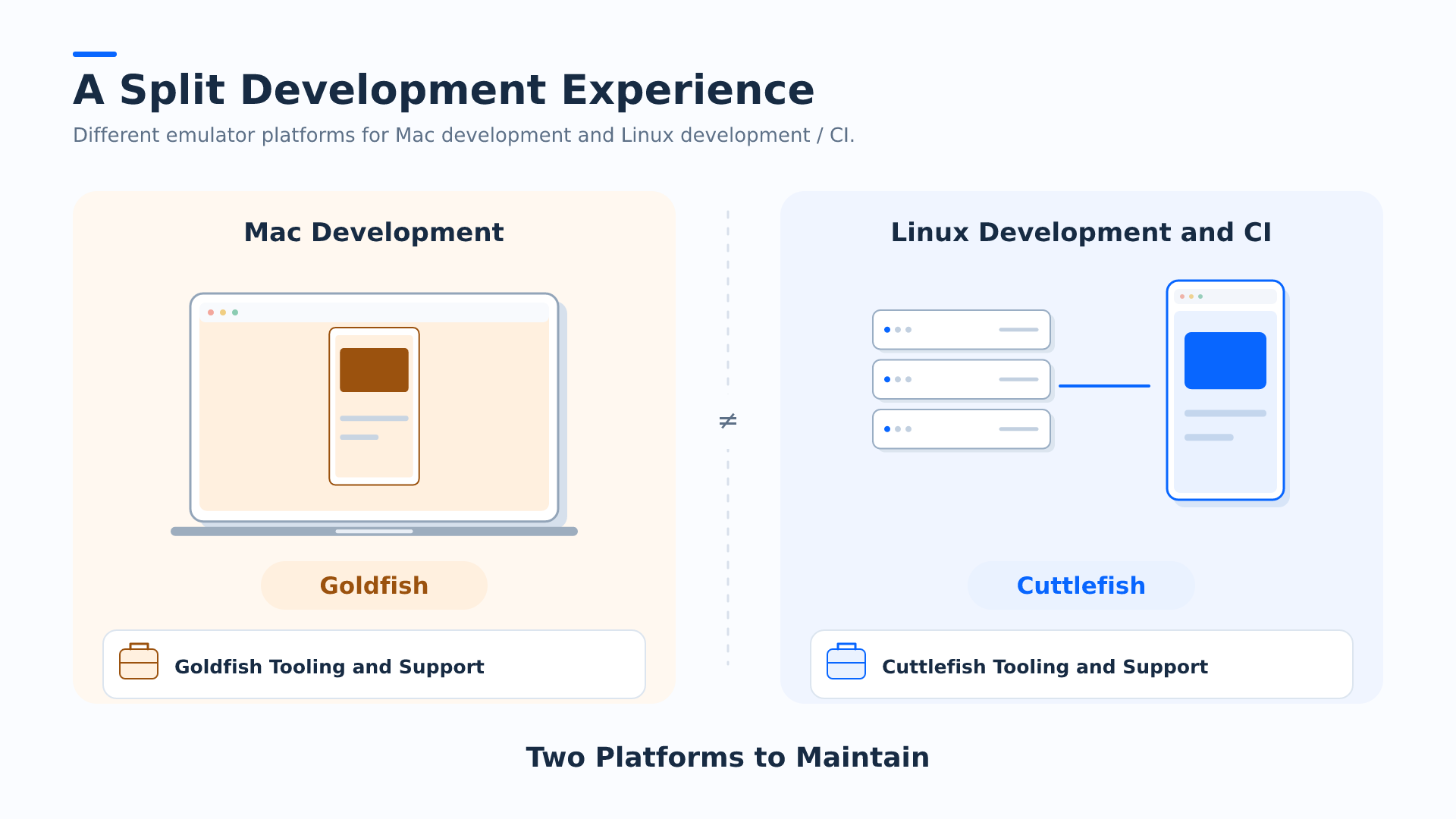
How Meta's Reality Labs brought Cuttlefish and its QEMU backend to macOS and Apple silicon.
Since 2021, Project Zero has followed a “90 + 30” vulnerability disclosure policy, allowing vendors up to 90 days to remediate a vulnerability plus an extra 30 days “soak time” for patch rollout. Our goal was to encourage faster patching and give vendors time to deliver patches…
There’s really only one hard problem in software engineering: synchronization. OK, maybe two: cache invalidation and synchronization. Synchronization is the harder one though, especially when the thing on the other side is eventually consistent. This year we rebuilt 6PN, the…

Pinterest’s Analytics Agent helps teams answer questions such as “How did query latency for the ads reporting pipeline change last week?” It searches the company’s data ecosystem, analyzes the relevant information, and recommends an answer or course of action.

How we pair AI agents with our knowledge of Shopify’s systems to safely attack our production infrastructure, find bugs, and reduce risks.
How we train and serve a shared generative model for personalized search and recommendation at Shopify scale.
Ads ranking models are growing toward LLM scale faster than the hardware to run them can keep up. An extra unit of compute has more impact on some ad requests, models, and chips than on others. The challenge is deciding where to allocate it to get the best outcome for the…
We've equipped our customers with an open source tool that not only quickly transfers your data but also provides a replication-based experience, so that any user can migrate from Heroku without extended downtime or the need to purchase a third-party product.

Lyft processes billions in payments annually, and that volume continues to grow. Agentic coding has drastically accelerated feature development, but it raises the stakes for the one phase that cannot be rushed: ensuring the highest standards of reliability and correctness in…

Durable workflows, running inside your service with no separate orchestration cluster.

Several people have asked me what the qualifications are for junior software engineers to be hired these days. This level is often referred to as “new grad,” but people with lots of different backgrounds, not just recent university graduates, can use the entry-level software…

Your algorithm is a suite of AI-powered tools that makes Facebook recommendations more transparent and steerable, with a single editable view of the interests that shape Feed and Reels. We’re sharing how Your algorithm turns people’s natural language preferences into responsive…

What changed when agents started writing our mobile code, and how we redesigned our architecture, tooling, and workflow around validation.
Almost every article or podcast about product management and AI refers to "the AI PM" as one job. But what...
Picture this — you’re home after a long day at work and can’t wait to catch up on Bridgerton. You log on to Netflix, search for “Bridgerton” and land on this screen:


Binance’s October 2026 security incident raises an operational question for every organization holding user funds: Can your security controls recognize when a valid signature grants an attacker wallet authority? If an organization only monitors transfers and ownership changes…
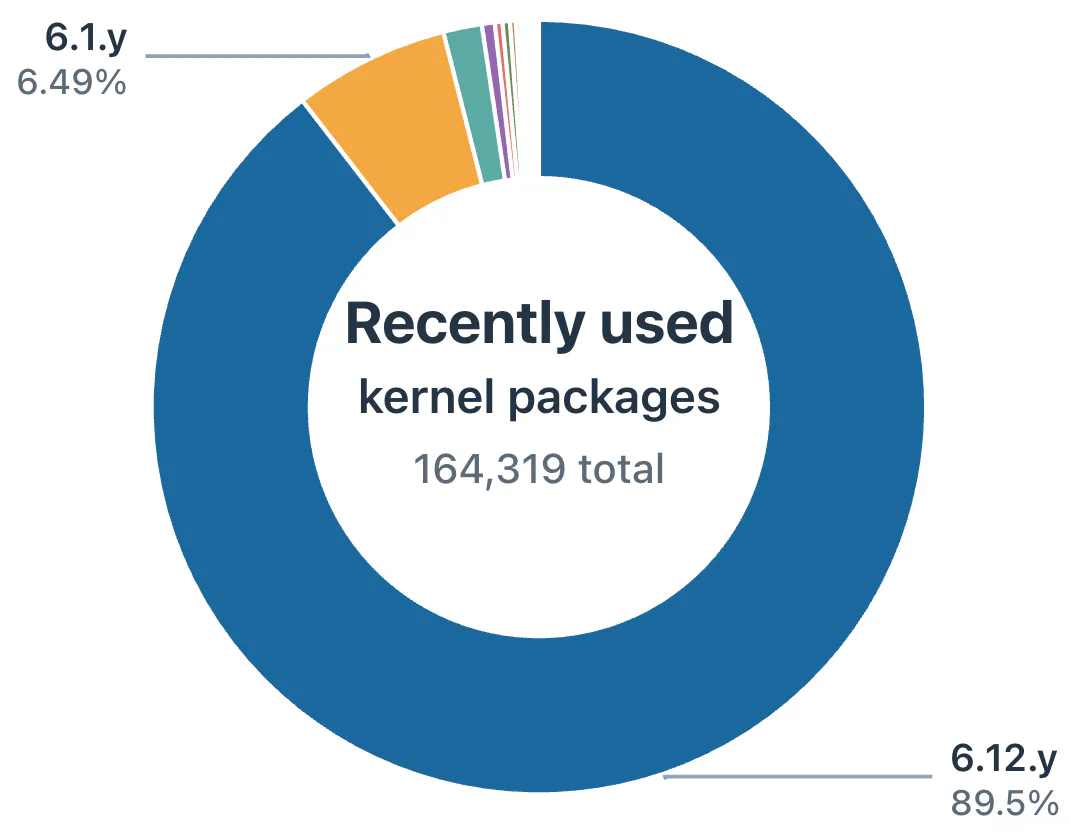
October 16, 2026 began like any other day at Fly.io (meaning, we were anticipating only a medium amount of chaos). By that evening, we had patched and rebooted our entire fleet in response to a Linux kernel bug. The full rollout took 10 hours, but the emotional damage persists…
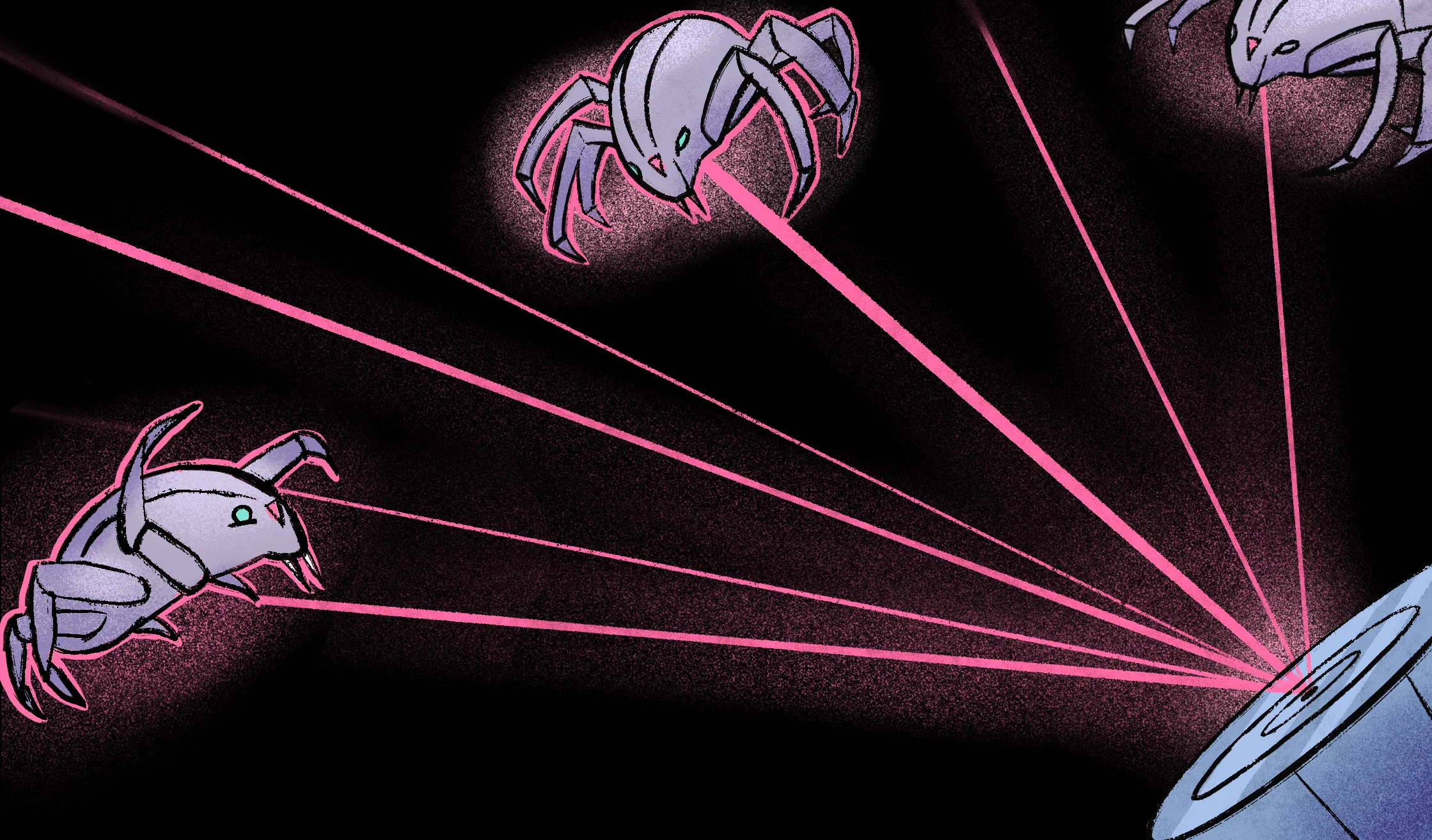
The following is part of a series of posts about 2026 summer intern projects—for more, see “What the interns have wrought, special jumbo 2026 edition”
GitHub's new Git storage architecture is built so thousands of agents can push to a single repository at once. Here's how it works.
Our architecture lets agents test mobile app behavior without an emulator and use one test suite to keep iOS and Android in sync.
Two side projects explored a new way to get work done with files already in Dropbox. Here’s how engineers brought them together and turned those experiments into a new customer experience.

From sharing features across web and desktop to testing the details customers depend on, this is how AI-assisted development helped our engineers deliver the updated Dropbox experience.

Learn how Datadog built FETCh to continuously validate production behavior against TLA+ specifications and uncover a subtle bug that conventional testing had not exposed.
Vishnu Arun | Tech Lead, Feature Importance Platform; Anderson Lam | Sr Software Engineer; Andrew Qiu | Machine Learning Engineer I; Helena Xu | Data Scientist I; Tianyou Wang | Data Scientist II

As millions of Americans vote in today’s U.S. midterms, most will use paper ballots, which are protected by strict chain-of-custody protocols and, in some cases, statistical audits. You may wonder why we still use paper for our elections and voting systems when tasks like…
Stable Linux releases lack existing security fixes because backporting them is time-consuming and often thankless work. We’re using Codex to reduce the backporting process time from days to hours per fix, empowering human patch reviewers to rapidly submit fixes for critical…
Over the last few years, LLMs have changed how software gets built and that’s no different for us at Jane Street. Most of our engineers now use them every day not only for writing code, but also for reading, debugging, and reviewing code, and plenty of things that aren’t code…
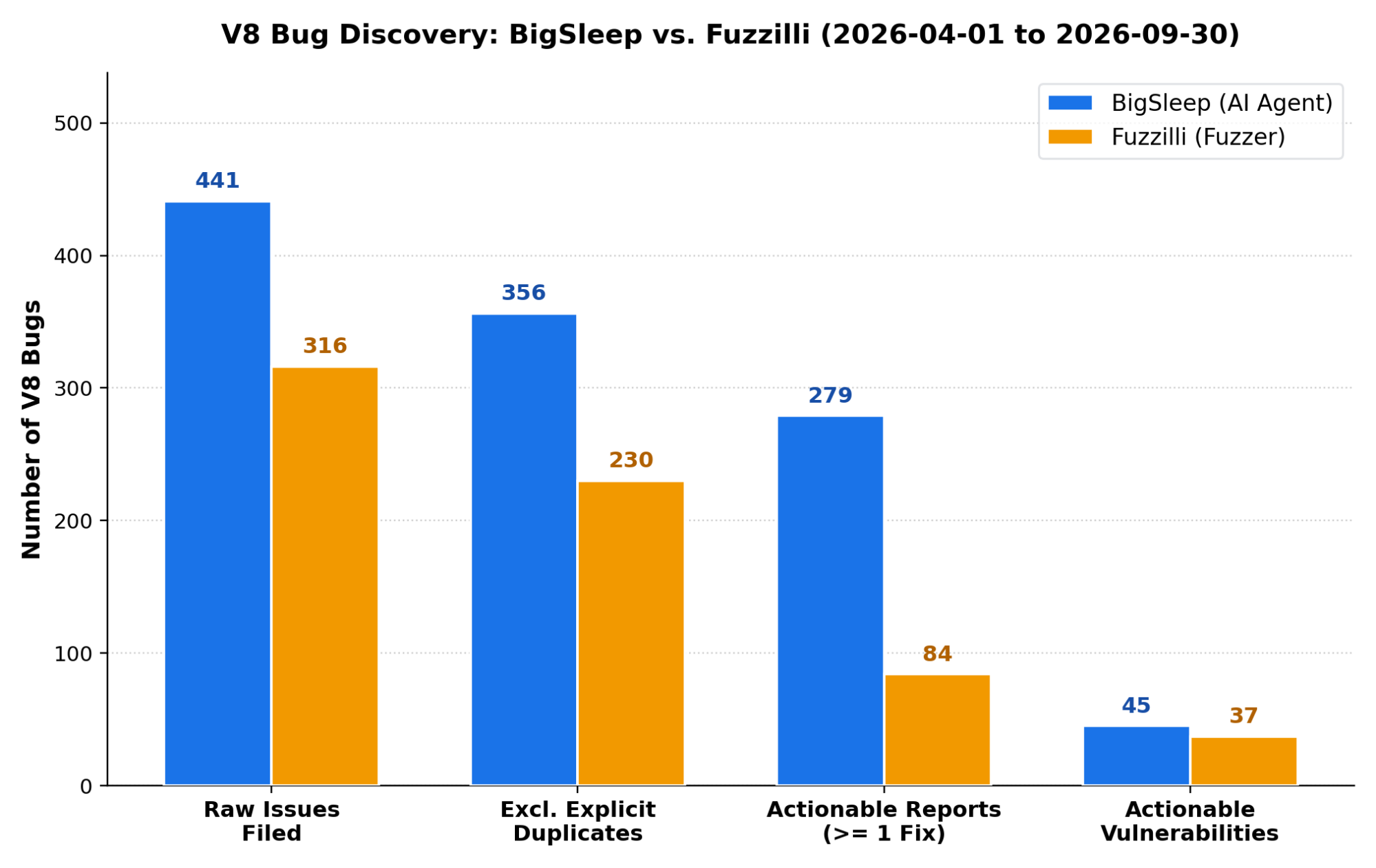
Summary Project Zero compared two automated tools used by Google to find vulnerabilities in Chrome’s JavaScript engine, V8, on a regular basis. Fuzzilli is a generative JavaScript engine fuzzer and BigSleep is an LLM-based bug finding system. In the past six months, BigSleep…
At Netflix, data and machine learning practitioners run millions of workloads each day across orchestration systems and compute engines such as Titus, Spark, Trino, and Druid. On peak days, roughly 100,000 workloads fail. When workloads fail, the failure itself is only the…

At Netflix, a crucial part of our mission is ensuring our content looks stunning on any device. Vertical formats are increasingly important for Netflix, as we have 1.2B followers across our social media accounts, and have recently rolled out Clips, our vertical video feed in…

At Netflix, shared Java libraries support applications developed across a large, independently evolving repository ecosystem. A library change begins in one repository, but its impact can reach many others. Producers can see the API diff in front of them. What they often cannot…

In Databricks’ State of AI Agents 2026 report, there’s a chart from Neon’s telemetry that’s somehow both mind-blowing and unsurprising. In October 2023, AI agents created 0.1% of the databases on Neon. By October 2025 they created 80% of them. We’re seeing this play out all…

We moved a copy of 99.99999% of GitHub's repositories to Azure. Here's how per-reference quorums will bring over the rest, and how object storage lets reads scale independently.
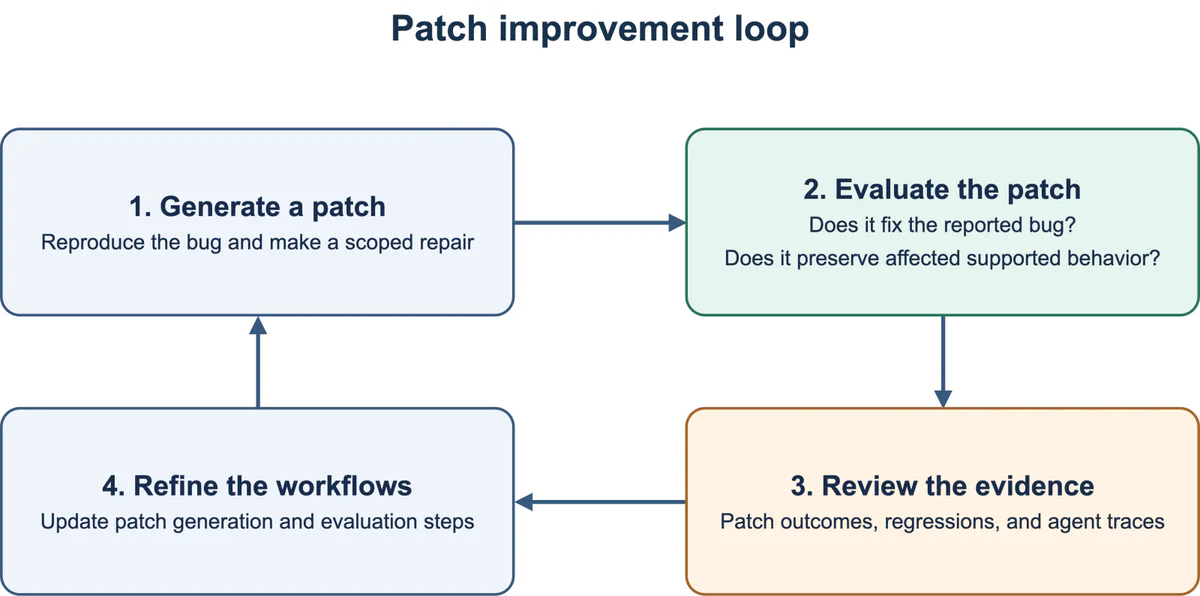
Today we’re publishing patching-bugs and regression-hunt, two plugins that let engineers delegate patch development and regression checks to agents. Our patching-bugs plugin reproduces reported bugs, develops fixes, and tests them. The regression-hunt plugin checks whether any…
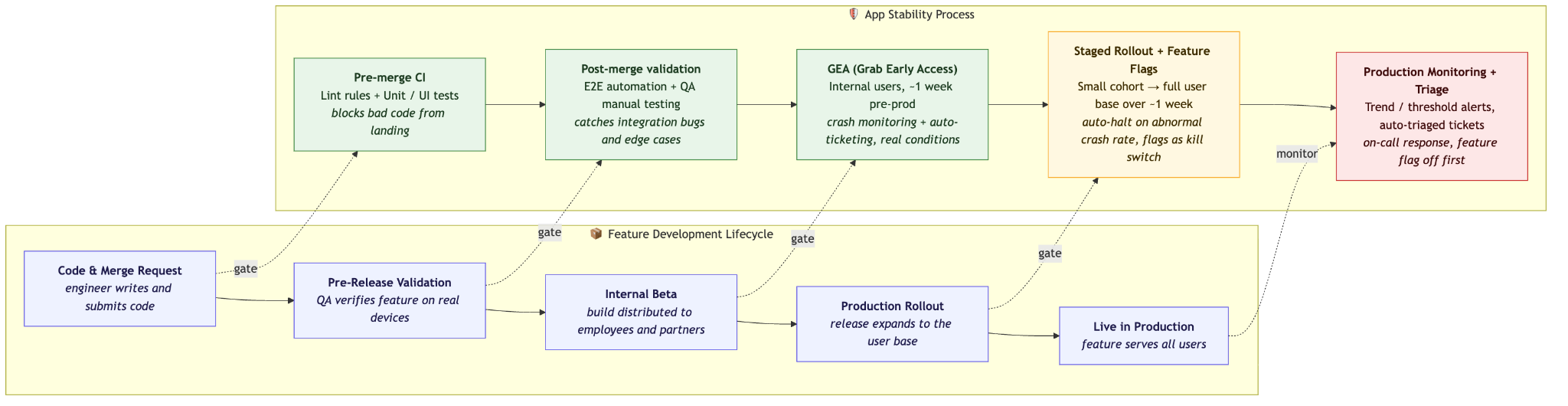
Introduction Artificial intelligence (AI) coding assistants have changed how fast we can ship. They have not changed how mobile users experience a crash. That gap is the pressure every mobile stability program now operates under. The Grab superapp, which millions of users…
Datadog built Turnstile to evaluate signed attestations and enforce software supply chain policies before container images are deployed.
Modern recommendation systems, including those used for ads ranking and content discovery, have grown substantially in scale and complexity. This growth stems from both increasingly large model architectures. The resulting memory footprint often exceeds the capacity of a single…

At Spotify, every surface and interaction is personalized to you as a user: the content on the Home page, the...
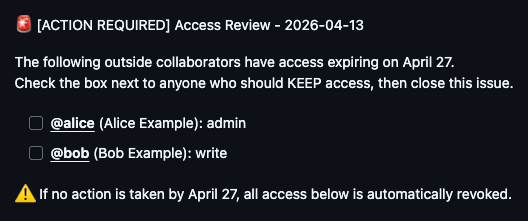
Put native GitHub features to work to review outside collaborator access and archive stale repositories.
Our new repo star history API now provides trends without returning individual identities or requiring unbounded database work. These are the engineering tradeoffs we made.
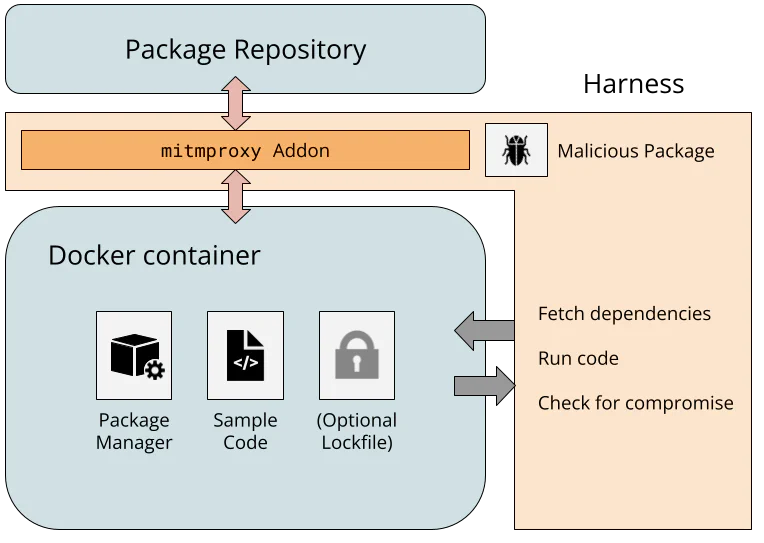
I tested 25 of the most popular package managers to check whether they detect a compromised package repository injecting malicious code into legitimate packages. This code integrity problem could be solved using cryptographic hashes or signatures, but many package managers are…
How we addressed the cold-start problem for Airbnb’s natural language search by jointly generating synthetic training data — queries and relevance labels — from de-identified booking and search signals.

Neural networks are a tool we use heavily in many trading strategies. But raw market data can’t be fed to a neural net as-is. It’s an unstructured input that needs normalization and feature extraction first.
Introducing Spotify Technology.
How we capture real production database traffic at Airbnb and replay it offline to load-test, plan capacity, and de-risk upgrades.

Project Zero often works with software vendors to remediate the vulnerabilities we report and provide broader guidance on making software more secure. Some vendors express concern about potential scenarios in which they are unable to fix vulnerabilities that are causing…
The following is part of a series of posts about 2026 summer intern projects—for more, see “What the interns have wrought, special jumbo 2026 edition”
The following is part of a series of posts about 2026 summer intern projects—for more, see “What the interns have wrought, special jumbo 2026 edition”
Learn how Datadog built Distributed DataFusion to scale interactive Apache DataFusion queries across multiple machines.
How Airbnb uses proximity signals to personalize without relying on individual user history.

As computing use grows, so does its environmental footprint. While hardware and software have become significantly more efficient, AI demand is growing even faster, outpacing those efficiency gains and increasing the overall environmental impact of computing. What’s more…
How we redesigned Reclaim for AI and natural-language requests while preserving the scheduling experience people rely on.